Introduction: In data center environments operating in Germany, improving transmission stability and addressing common communication line failures are now core tasks for ensuring operational reliability. This article focuses on common fault types, cause analysis, and actionable optimization strategies, aiming to provide practical references and key implementation points for network engineers and data center managers.
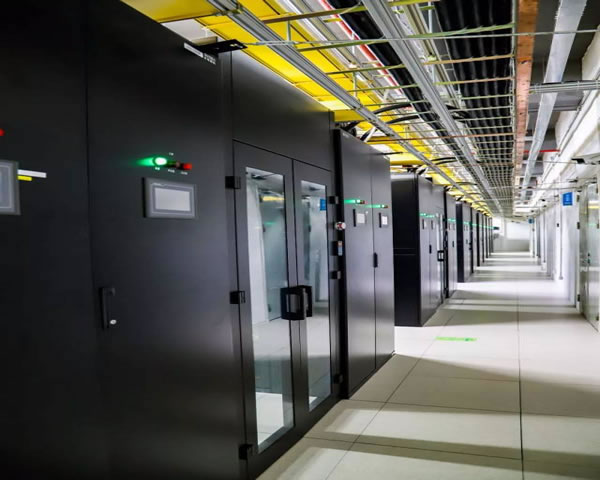
German server room Common faults often stem from physical layer damage, environmental interference, improper configuration, and link congestion. Due to geographical and operator differences, failure symptoms include increased bit error rates, intermittent link disconnections, and performance degradation, which require precise identification using logs and monitoring data.
Fiber breaks, bending losses, connector contamination, and copper cable aging are common problems. In some old server rooms in Germany, cables are not installed properly, resulting in mechanical stress and poor contact. This affects transmission speeds and error rates, necessitating regular inspection and cleaning maintenance.
Electromagnetic interference (EMI) and power supply fluctuations can cause communication devices to restart or result in link errors. This is particularly evident in German industrial areas or multi-device environments. Risk of such failures can be significantly reduced through shielding, independent power supply, and UPS deployment.
Unreasonable routing policies, mismatched port rates, and a lack of QoS lead to link congestion and jitter. Germany’s inter-city backbone links require proper bandwidth planning and traffic engineering during peak times to avoid transmission instability caused by configuration errors.
Excessive temperature and humidity, dust accumulation, and improper wiring can all affect the lifespan of equipment and the performance of circuits. Germany has strict operational requirements for data centers. The server rooms must maintain a constant temperature and humidity, have good ventilation, and comply with cabling and fire safety regulations to minimize hidden failures.
Improving transmission stability requires efforts in three areas: physical maintenance, network design, and operational procedures. By combining regular monitoring, link redundancy, traffic management, and automated alerts, a quantifiable stability improvement plan can be developed to reduce the impact of failures and recovery time.

Regularly use probes to test light attenuation and reflection loss, clean fiber optic connectors, and replace damaged jumpers. Using end-to-end testing and recording historical data allows for rapid identification of performance degradation trends, which is a fundamental task for improving transmission stability.
Deploying physical and logical redundancy (such as BGP multi-homing and link aggregation) can prevent service disruptions caused by single points of failure. German inter-regional data centers should consider multi-operator access and multi-path forwarding to improve fault tolerance and recovery speed.
Implementing QoS policies, traffic shunting, and priority control ensures that critical services maintain stable bandwidth even during congestion. Combining traffic monitoring and forecasting to adjust queues and speed limits as needed helps improve long-term stability and user experience.
Establish a monitoring system that covers both physical and logical links, collect metrics such as bit error rate, latency, and packet loss, and enable automated alerts. By combining link tracking with log analysis, it is possible to reduce fault resolution time and support post-incident review and optimization.
When implementing optimization measures in Germany, local regulations and operator interface requirements must be followed to ensure compliance with cross-border links and data processing. Maintain communication with local operators to confirm construction permits, fiber optic routes, and maintenance windows, to avoid disrupting business continuity.
Summary: To improve transmission stability in server room communication lines, common faults in Germany and optimization methods require a combination of four key measures: physical maintenance, redundant design, traffic management, and real-time monitoring. It is recommended to establish regular inspections and automated monitoring processes, prioritize addressing physical-layer defects, and implement multi-path redundancy to maintain long-term stability and availability in Germany’s complex network environment.
- Latest articles
- Popular tags
-

Engineering Case Study: Communication Line Layout In Server Rooms – High-Density Fiber Optic Cabling Solutions In Germany
This engineering case study presents a high-density fiber optic cabling solution for communication lines in server rooms in Germany. It covers key aspects such as the project background, design principles, construction and testing, as well as operation, maintenance, and expansion. It serves as a reference for data center and server room projects. -
Innovative Technologies And Application Examples Of German Moore Servers
this article discusses the innovative technology of german moore servers and their practical application examples, and analyzes its importance in the industry. -

Guide To Selecting And Using German Overseas Shopping Proxy Servers
professionally introduces the key points for selecting german overseas shopping proxy servers, performance comparisons, privacy compliance, and setting and usage suggestions to help users conduct overseas shopping on german websites safely and efficiently.